Art Monthly Magazine
Fiercely independent since 1976
Contents
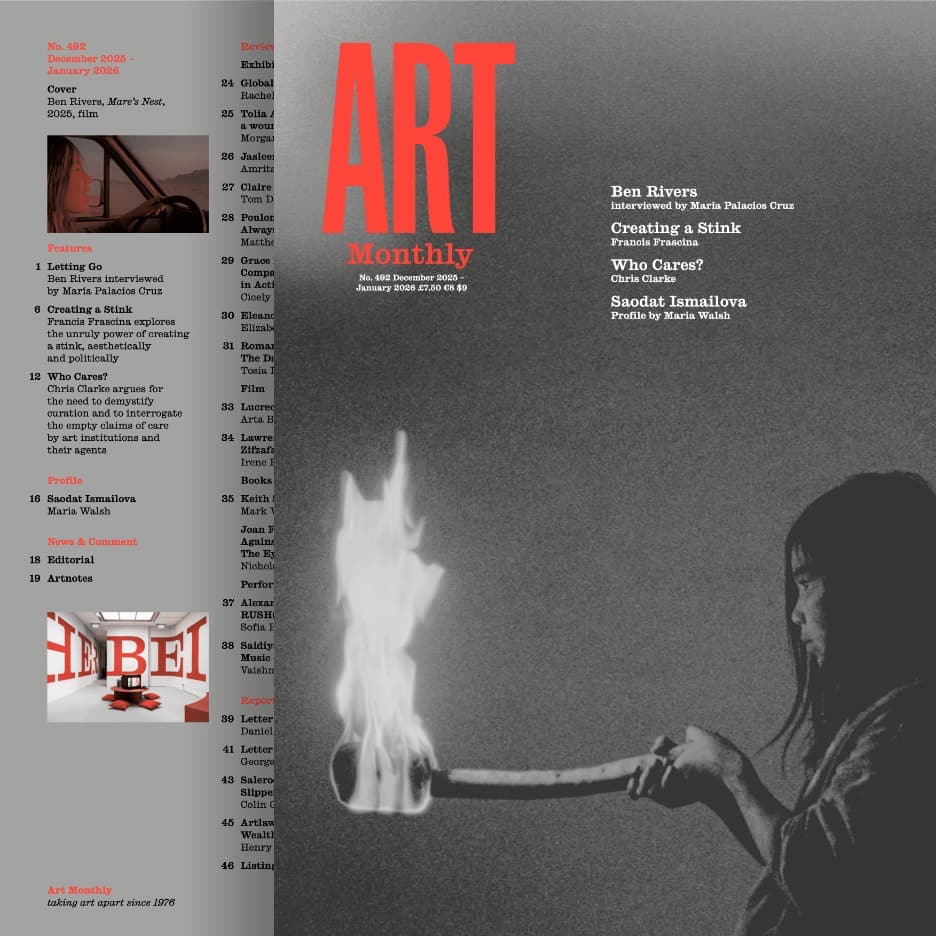
Issue 492 December 2025
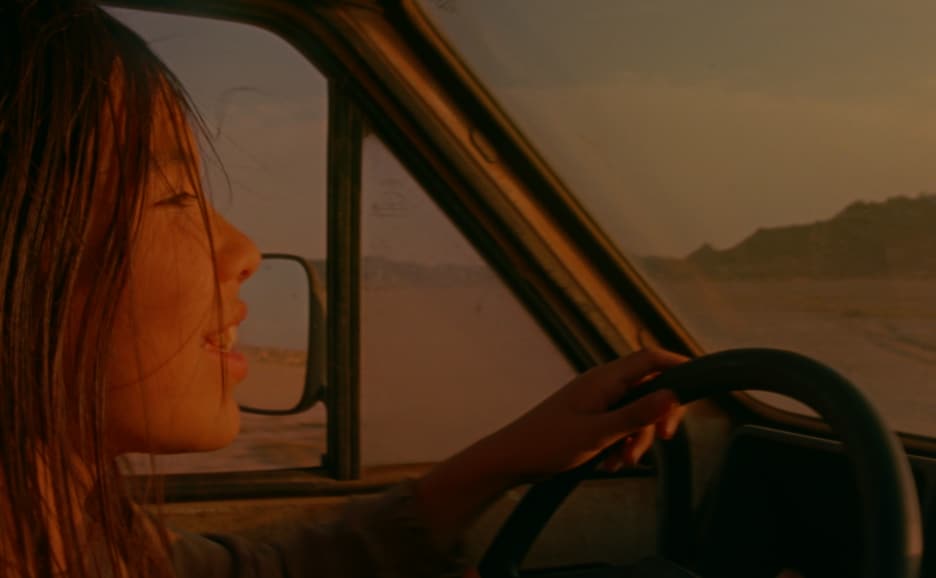
Ben Rivers, Mare's Nest, 2025
Interview
Letting Go
Ben Rivers interviewed by María Palacios Cruz
The young central character, Moon, she is on a kind of journey to understand the world and to figure out how to move forward which, to my mind, is like a gradual letting go of everything that's known.
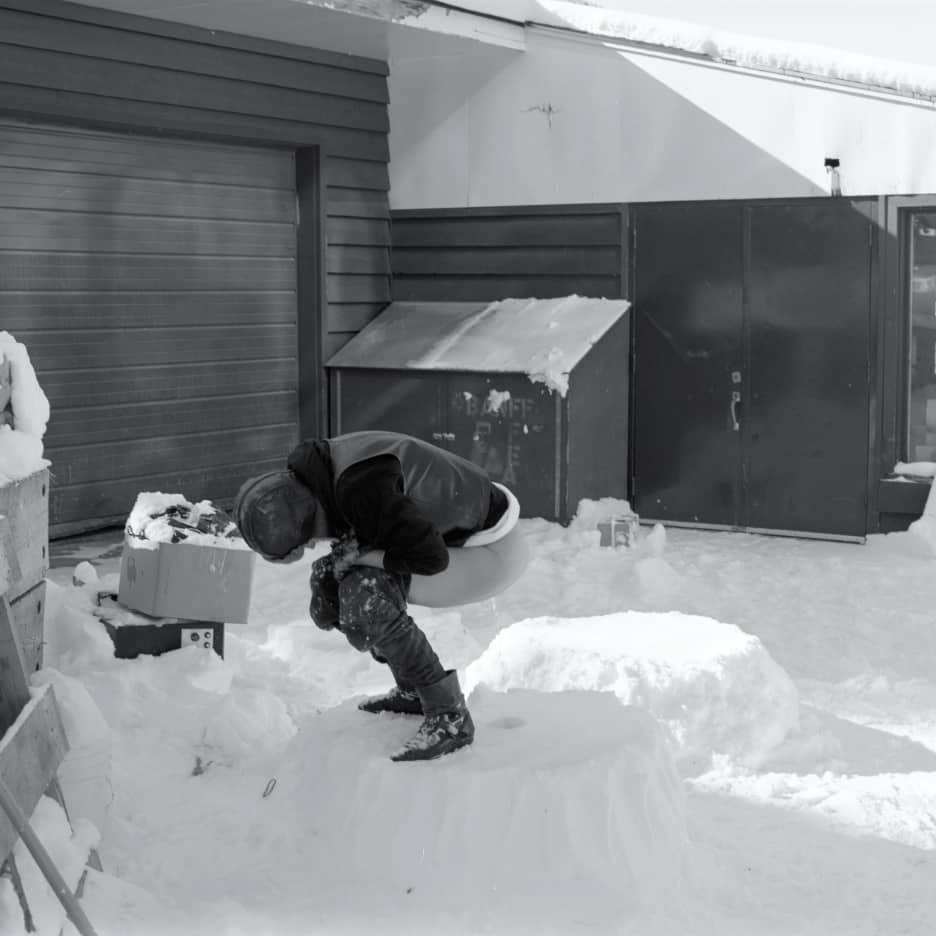
Helen Chadwick urine casting in 1991
Feature
Creating a Stink
Francis Frascina explores the unruly power of creating a stink, aesthetically and politically
Alain Corbin traced the ways that stench was perceived and analysed in late-18th-century France, in contrast to the emphasis on deodorisation under modernity where the realities of foul odours are hidden and repressed in the denial of abjection.
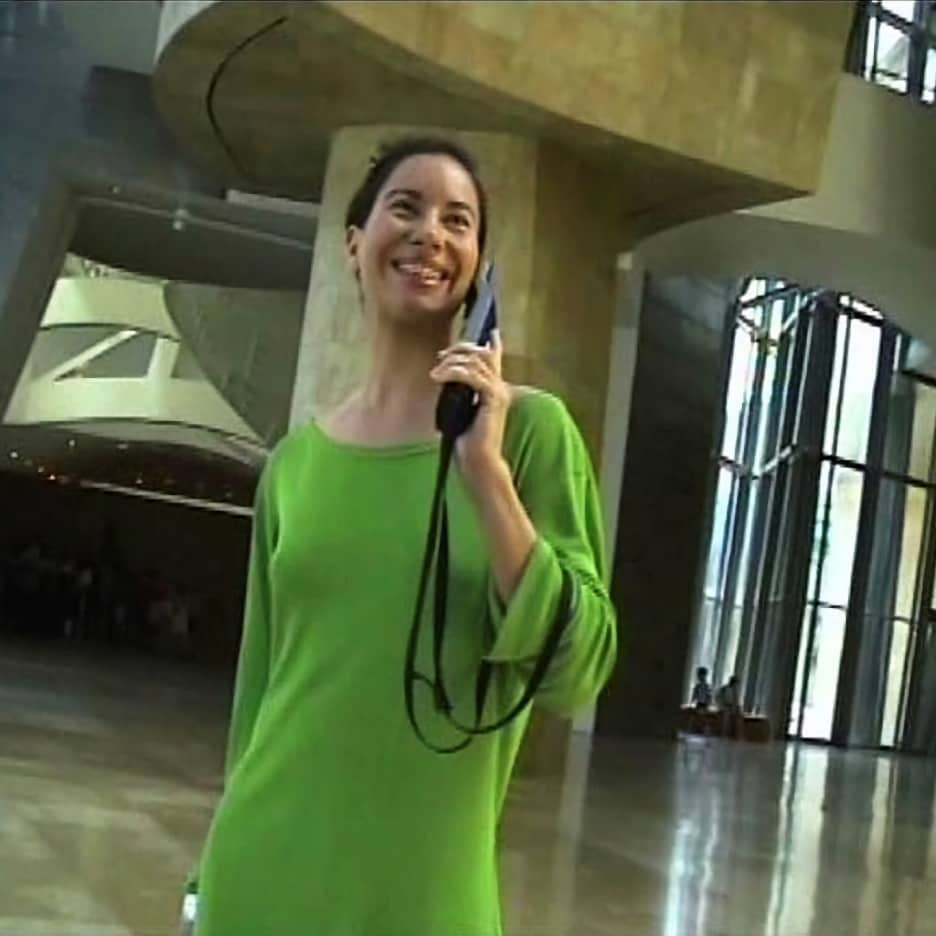
Andrea Fraser, Little Frank and His Carp, 2001
Feature
Who Cares?
Chris Clarke argues for the need to demystify curation and to interrogate the empty claims of care by art institutions and their agents
There is seemingly no contradiction between the museum which, on the one hand, proudly declares its progressive agenda while, on the other, furloughs its workers, curtails hours and trims wages.
 | | From the Back Catalogue
The New Curation
Mark Hutchinson argues that new approaches to curating offer merely the aestheticisation of politics. First published in 2004, now free online. |
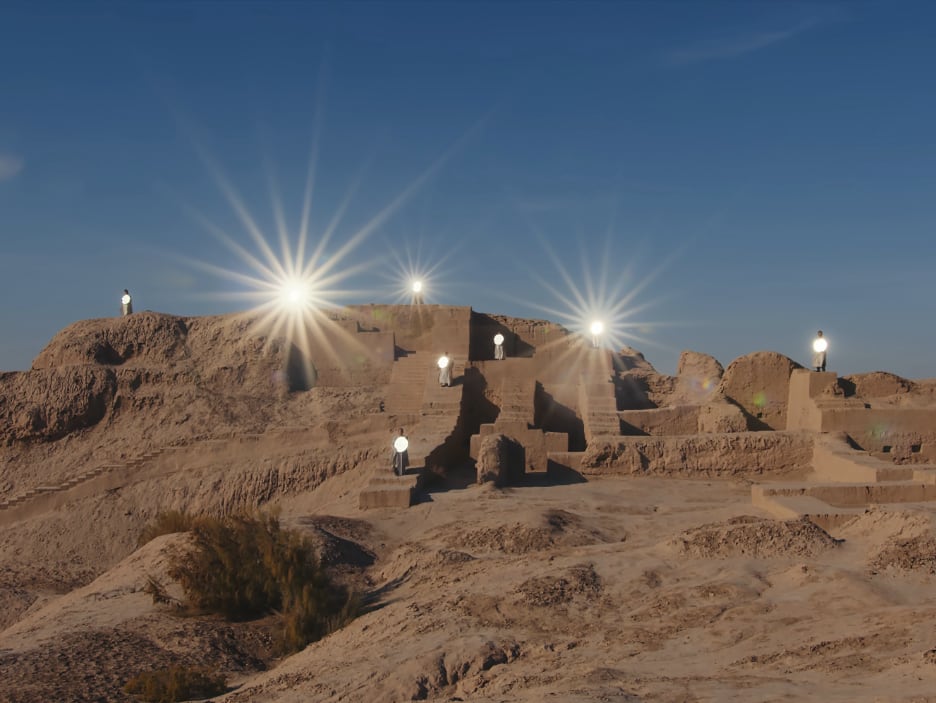
Saodat Ismailova, Melted Into the Sun, 2024
Profile
Saodat Ismailova
Maria Walsh
The film's main protagonist is based on Al-Muqanna (The Veiled One), an 8th‑century mystic and revolutionary in southern Central Asia, who challenged authoritarian centralised power, land‑extraction and religious repression, all pressing global social issues to this day.

sponsored
Editorial
One for the Money
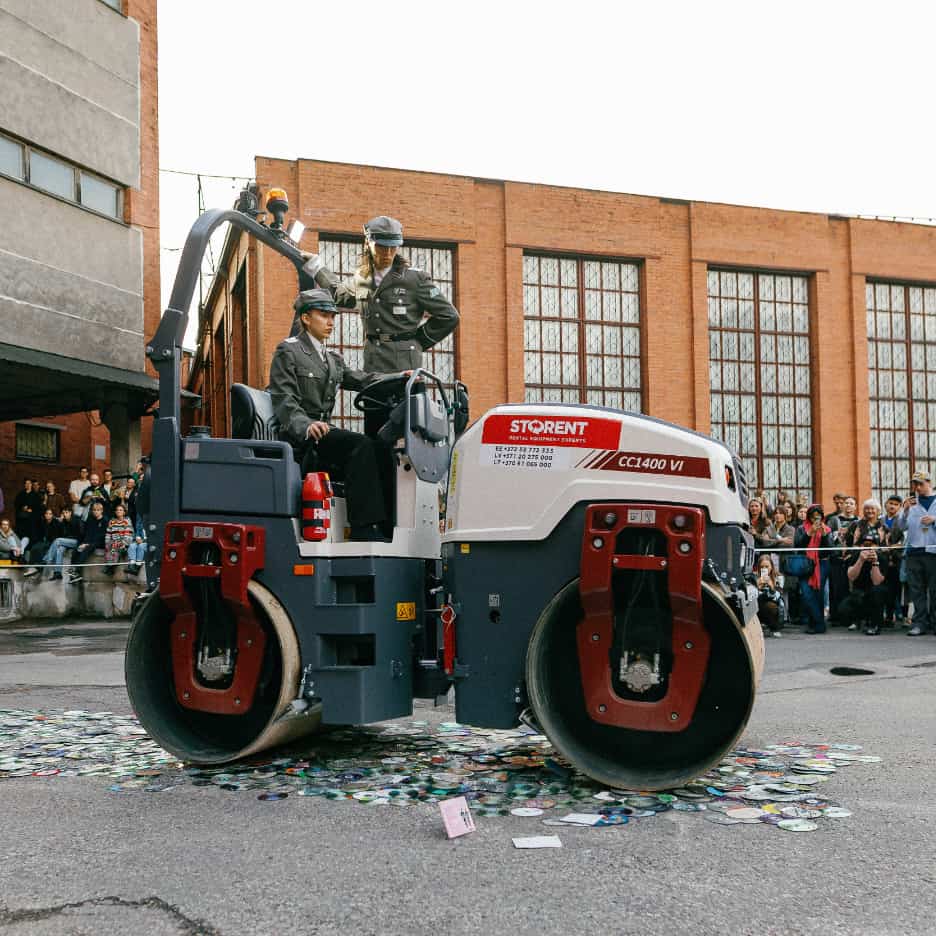
Some artists may successfully play the art market by mimicking the conditions of Conceptual Art but such headline-grabbing transactions only underline the fundamental difference between such stunts and truly radical art.
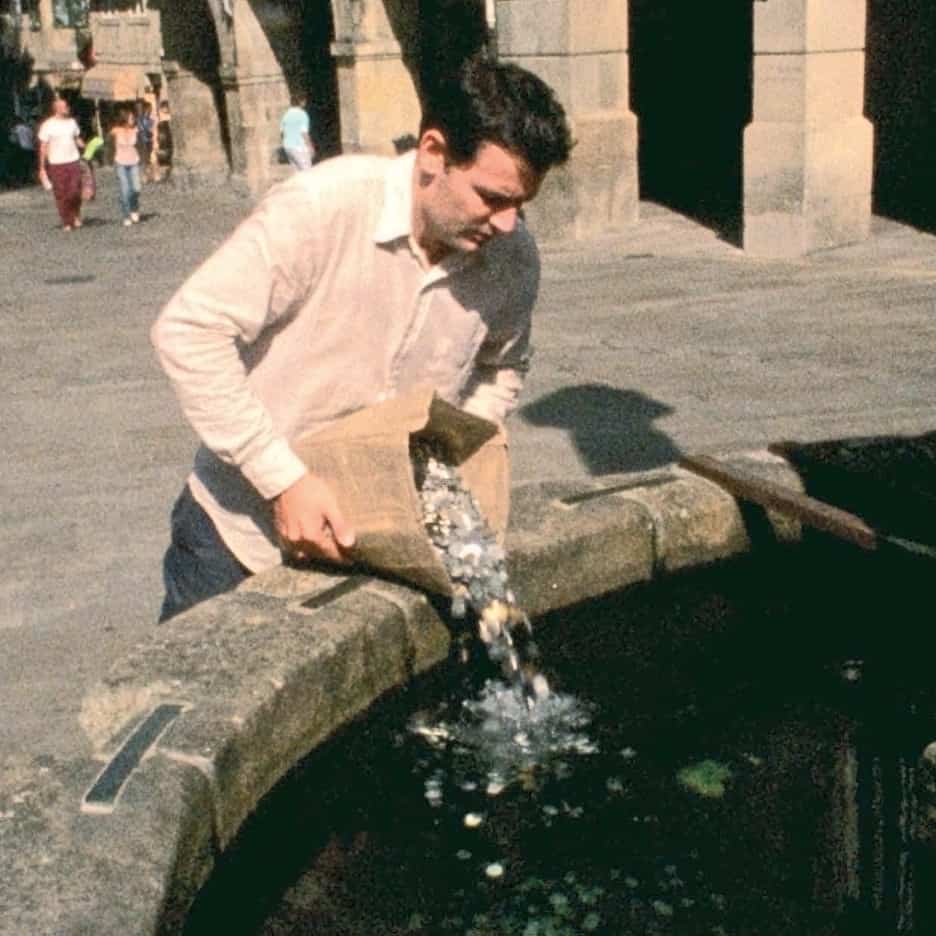
In 1959 Yves Klein famously began selling 'zones' of empty space to collectors. In a ritualised transaction, buyers purchased a Zone of immaterial pictorial sensibility with a specified amount of pure gold. In return, they received a receipt which then had to be publicly burned in front of witnesses, after which Klein would toss half the gold into the river Seine, thereby returning it to nature.
sponsored
Artnotes
Good for You
A scientific experiment isolates the body's positive physical responses to original works of art; the government agrees to abandon the artless EBacc system in schools; galleries make carbon-cutting progress just as world leaders falter; Tate staff strike; plus the latest on galleries, people, awards and more.
Roman Ondak, Lucky Day, 2006, 'The Day After Yesterday', Kunsthalle Praha, Prague
Exhibitions
Global Fascisms
Haus der Kulturen Welt, Berlin
Rachel Pronger
Tolia Astakhishvili: a wound on my plate
Emalin, London
Morgan Quaintance
Jasleen Kaur: Boomerang
Hollybush Gardens, London
Amrita Dhallu
Claire Fontaine: Show Less
Mimosa House, London
Tom Denman
sponsored
Poulomi Basu: Always Coming Home
Focal Point Gallery, Southend
Matthew Bowman
Grace Ndiritu: Compassionate Rebels in Action
Cooper Gallery, Dundee
Cicely Farrer
Eleanor Antin: A Retrospective
Mudam, Luxembourg
Elizabeth Fullerton
Roman Ondak: The Day After Yesterday
Kunsthalle Praha, Prague
Tosia Leniarska
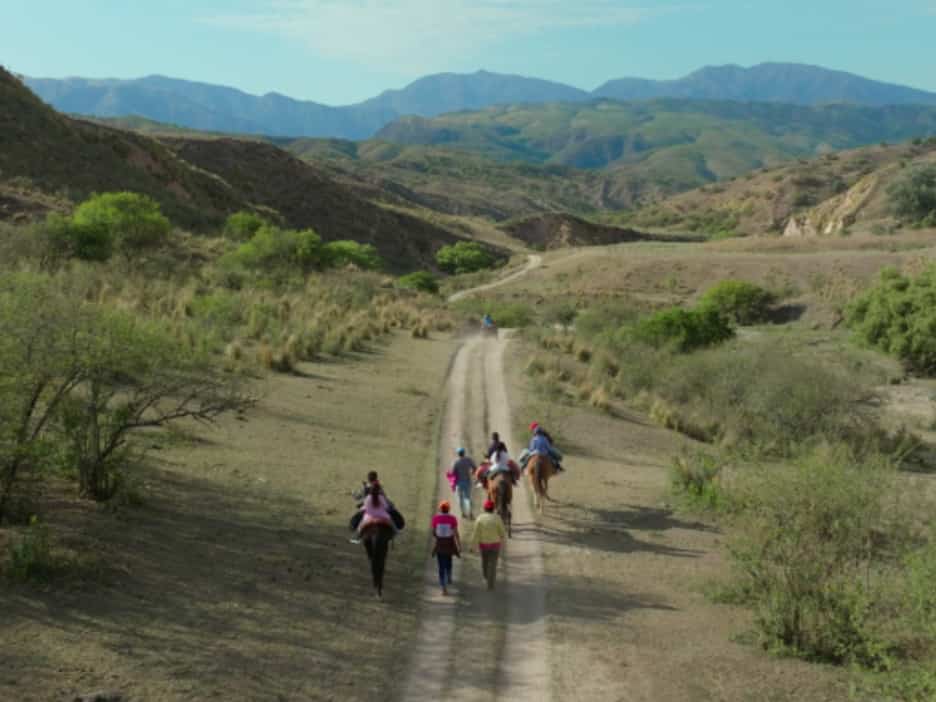
Lucrecia Martel, Landmarks, 2025
Film
Lucrecia Martel: Landmarks
Arta Barzanji
Here, Lucrecia Martel gives film a role it rarely assumes in cinema: not witness, not narrator, but evidence. The film circles the 2009 killing of Indigenous Argentine leader Javier Chocobar and the continuing dispute over land ownership. Rather than offering a single authoritative point of view, Martel assembles a heterogeneous archive and allows the frictions between the source material to generate meaning.
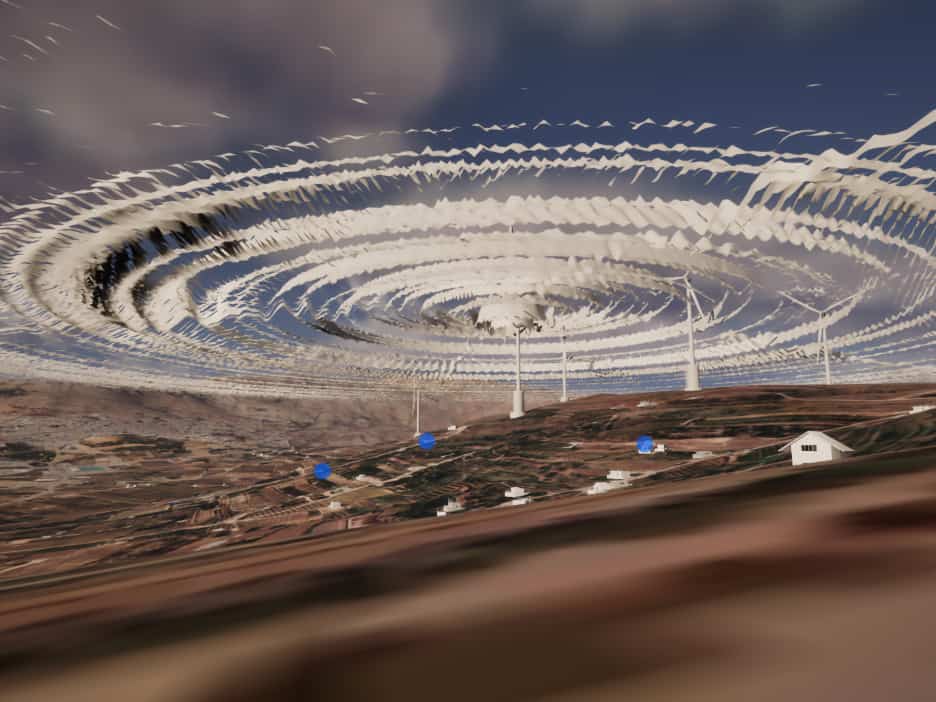
Lawrence Abu Hamdan, Zifzafa , 2024
Film
Lawrence Abu Hamdan: Zifzafa
Irene Revell
In this recent body of work, Lawrence Abu Hamdan is concerned with the way sounds are violently absented from a soundscape as much as he is with those that might be inflicted upon it.
Keith Sawyer, Learning to See
Books
Keith Sawyer: Learning to See
Mark Wilsher
Keith Sawyer's interpretation of art education is based on a close textual analysis of professors and students performing studio crits. Sawyer breaks down their exchanges into granular detail, pointing out the way that a syllable is stretched out, a sentence is left unfinished, a word is repeated. He calls this kind of language use 'studio talk' and, to him, each meandering sentence or pensive 'um' is a representation of the act of thinking on the spot.
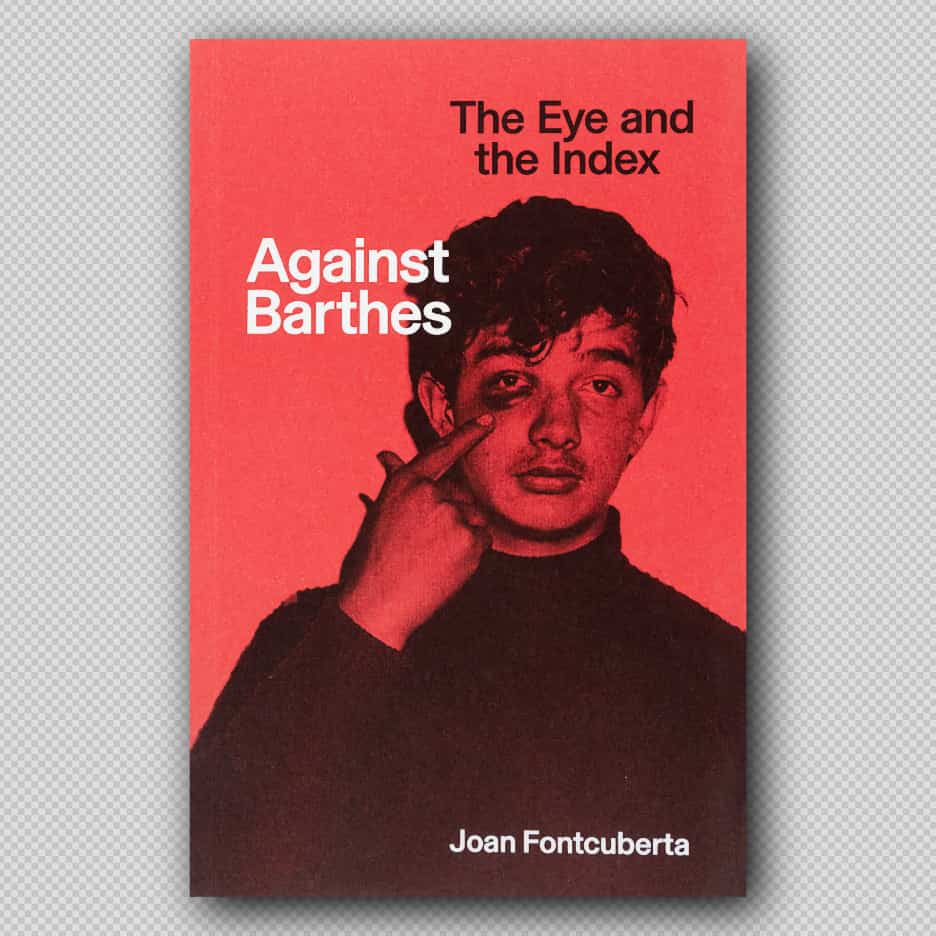
Joan Fontcuberta, Against Barthes
Books
Joan Fontcuberta: Against Barthes – The Eye and the Index
Nicholas Gamso
Joan Fontcuberta makes the point that in 'deepfakes' the image-text relation is reversed so that the photo follows from its caption: someone enters a prompt and AI spews out an image. Technically, the results aren't photographic, since they are made without a lens, a mirror, a darkroom. There is no index and nothing 'actual' about AI-generated imagery, though medial distinctions seem to matter less each day.
Alexandra Bachzetsis, RUSH(ES), 2025
Performance
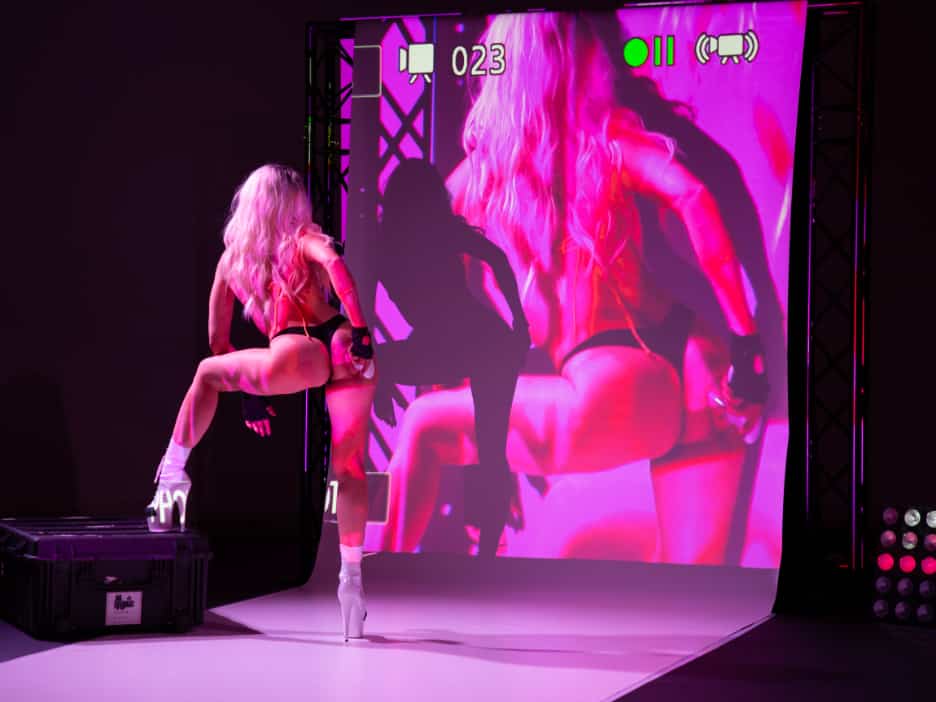
Alexandra Bachzetsis: RUSH(ES)
Sofia Hallström
The choice of the Greek-Swiss artist Alexandra Bachzetsis to perform at the Hellenic Centre reads as a contemporary reflection on the ancient Greek understanding of orchestra, where the orchestris (female dancers) performed for elite male symposia; this work playfully pushes back at these boundaries.
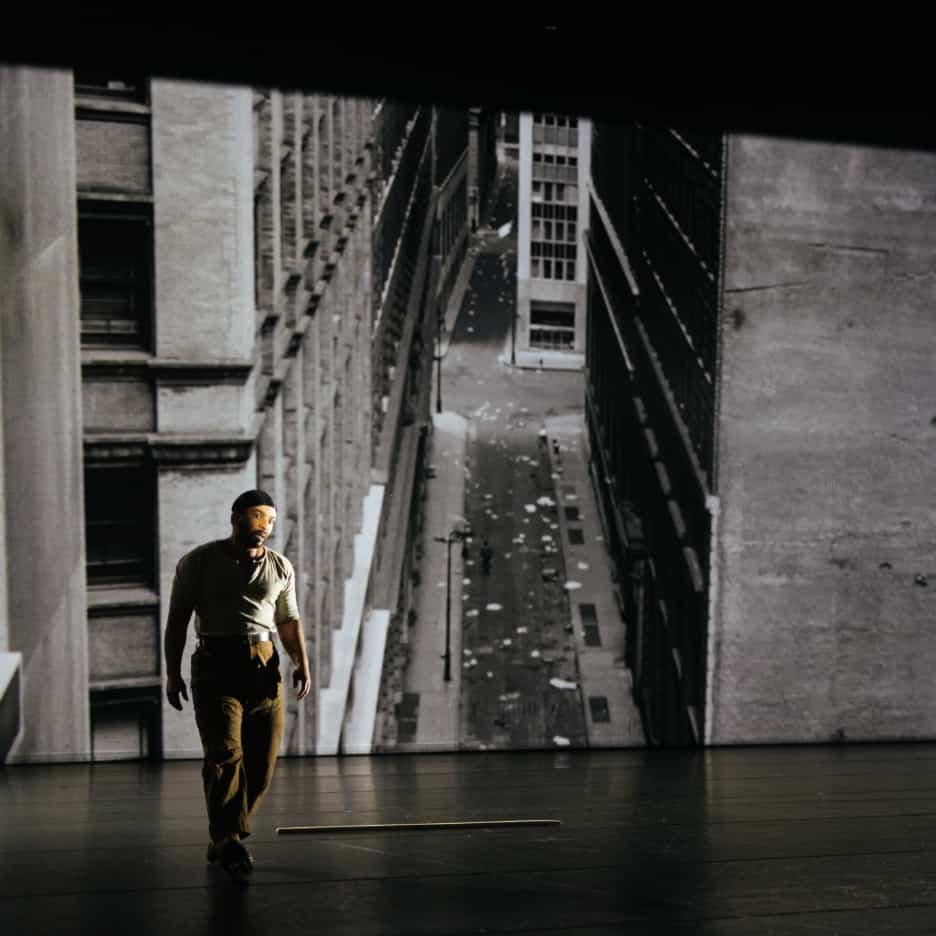
Saidiya Hartman, Minor Music at the End of the World, 2025
Performance
Saidiya Hartman: Minor Music at the End of the World
Vaishna Surjid
It has always felt hard to pin down Saidiya Hartman. The American academic has long defied genres, troubling archives with her own, much celebrated method of critical fabulation. In this ambitious new multi-media performance, Hartman ask what the end of this world will look like.
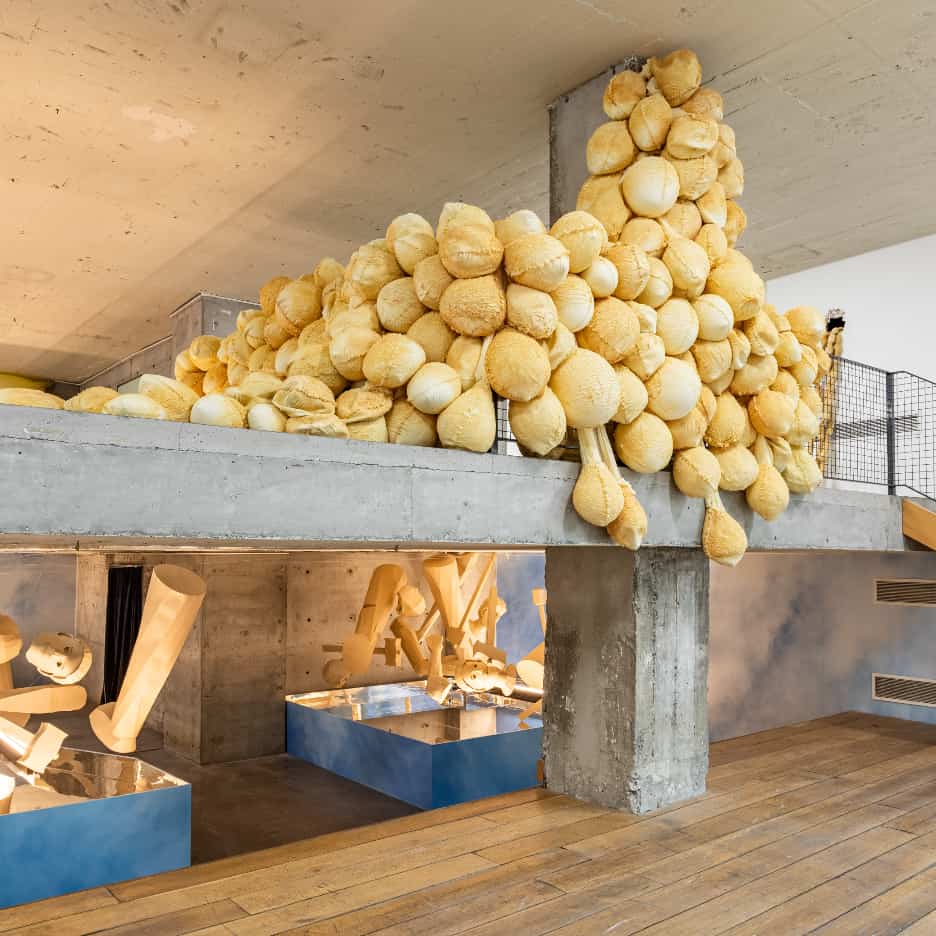
Eva Fabregas, Exudates, 2025
Reports
Letter from Istanbul
Daniel Culpan
At a time of growing right-wing authoritarianism and the very real threat of censorship in the Turkish capital, symbol and allusion seem to be the modus operandi of this year's Biennial.
opening performance of the Kaunas Biennial by Rat Section
Reports
Letter from Kaunas
George MacBeth
It was refreshing to encounter an exhibition at this scale engaging with the work of living artists emerging from the same generational cohort and artistic network, instead of succumbing to that highly transmissible curatorial influenza largely describable as 'archive fever'.
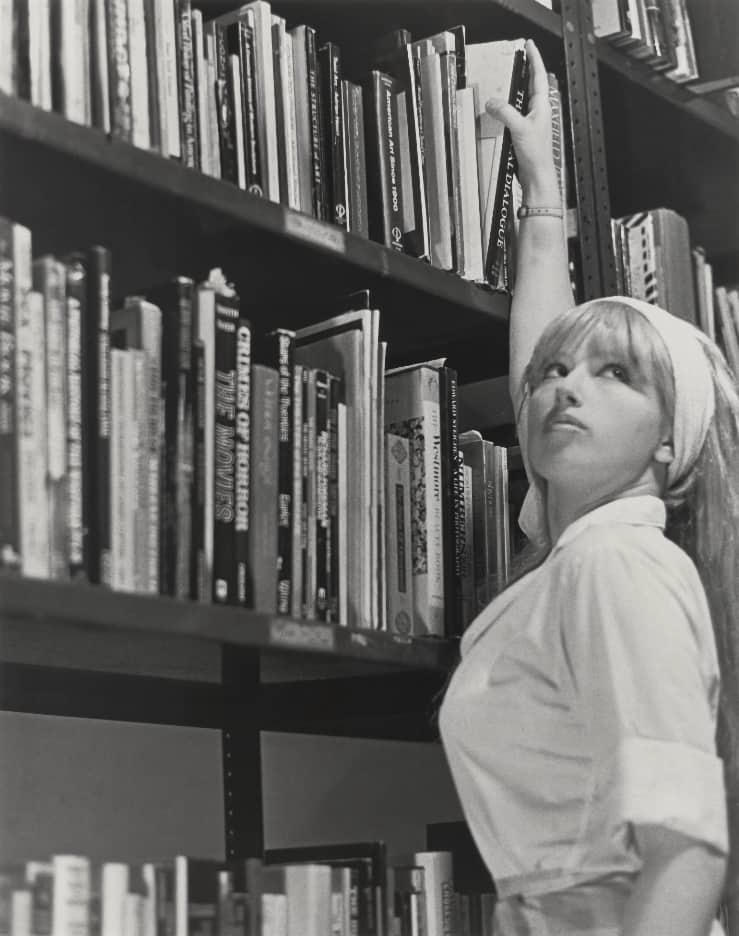
Cindy Sherman, Untitled Film Still #13, 1978, estimate $500,000–700,000, sold for $2.27m
Salerooms
Slippery Sales
Colin Gleadell
While second-tier works by yesterday's superstars Jeff Koons, John Currin and Richard Prince sold below estimates, a classic 1980s Cindy Sherman 'Film Still' he had bought in 2000 for $167,000 sold for a double-estimate $2.3m.
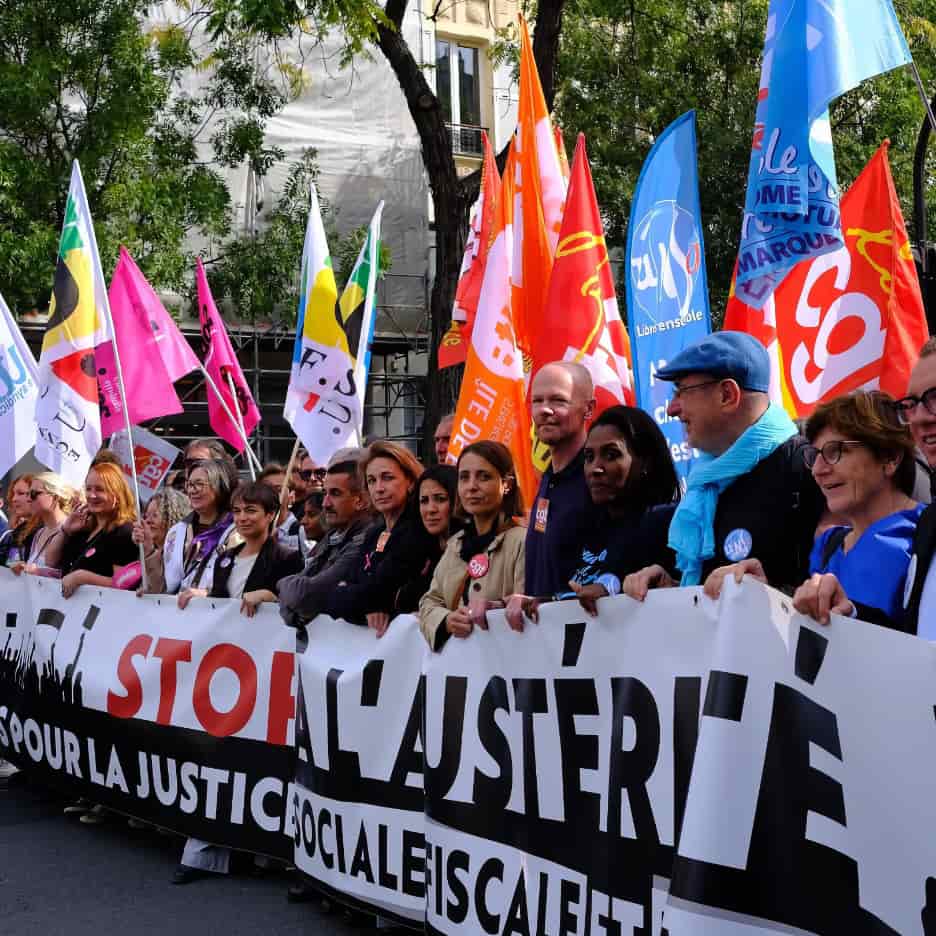
French anti-austerity protests organised by the CGT union in support of an expanded wealth tax
Artlaw
Wealth Tax
Henry Lydiate
In 1975, artists wrote an open letter headed 'Wealth Tax and the Living Artist' warning that a proposed wealth tax, similar to the one France is currently proposing, would constitute an act of 'unbelievable imbecility' if it taxed artists on their 'stock' of unsold works.
Have Art Monthly delivered to your door
Read every issue ever published right now